Business Waste Removal in Feltham
Business waste removal in Feltham needs a service that is practical, tidy and matched to the sort of waste a workplace actually produces. We handle recurring and one-off collections for offices, shops, workshops, hospitality sites and other commercial premises, with an approach focused on separating useful materials from general rubbish and keeping the process straightforward. The aim is simple: remove waste efficiently, keep the site workable, and help you maintain a clear space without unnecessary disruption.
The service can cover mixed non-hazardous commercial waste, bulky items, office furniture, packaging, redundant stock and other everyday business clearances. Some premises need a regular collection pattern; others only need help after a refit, relocation or stock change. We work with customers who want a planned clearance as well as those who need a single visit for accumulated items, and the scope is always set around the waste on site rather than a one-size-fits-all package.
If you are comparing options, it is sensible to look at what needs removing, how often it appears and where it is stored. A short note about access, floor level, loading points or any awkward items can help shape the right arrangement. Start by identifying the waste type, then decide whether it is a once-only clearance or a repeat service. When you are ready, request a quotation and we will help match the work to your premises.
Commercial waste collections for everyday business premises
Many businesses need waste gone before it starts affecting workflow, storage or presentation. We remove sacks, loose rubbish, broken fixtures, packaging and general non-hazardous commercial waste from workplaces of different sizes. The collection can be arranged for back-of-house areas, storage rooms, loading bays or other practical pickup points, provided access and waste type are suitable. The service is designed to be orderly rather than hurried, so your premises are left in a better state for staff and customers.
Depending on the site, the collection may involve separating reusable or recyclable material from residual waste so that the load is handled appropriately. That is especially helpful where there are cardboard, plastics, old displays, unwanted stationery or mixed items from storage changes. If you have a clear idea of what needs removing, a concise list makes the quotation easier to shape, but it is equally useful to flag unknown items so they can be assessed properly before collection. See our pricing and quotes page for the kind of information that helps define the work.
What this type of clearance usually includes
Typical commercial collections can cover office bagged waste, shop backroom rubbish, redundant fittings, lightweight shelving, small broken items and mixed contents from cupboards or storerooms. For some customers the main benefit is simply restoring usable space; for others it is the speed of clearing a congested area before deliveries, visitors or refit work. Either way, the emphasis stays on practical removal and sensible handling, not on adding services you do not need. If you are planning ahead, book online or send the details you already have so the job can be reviewed.
Office clearances and workplace furniture removal

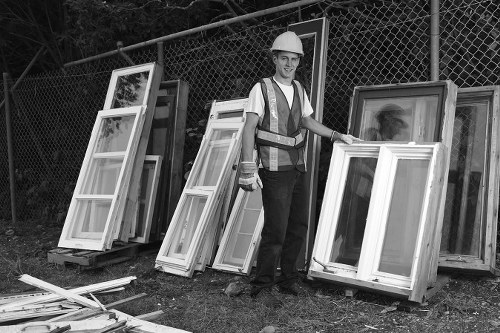
Office environments often generate a mixture of waste that is too awkward for ordinary bins: desks, chairs, cabinets, filing units, monitors, packaging and accumulated paperwork. Our office clearance work in Feltham is aimed at removing those items in a way that supports a clear handover, a reorganisation or simply a tidier day-to-day working space. We can help with single rooms, whole suites or sections of a building where the unwanted items are concentrated in one place.
Furniture removal within an office setting often needs careful planning around corridors, lifts, stair access and shared areas. That is why the best results usually come from sorting the items first into what is staying, what needs moving elsewhere and what is ready to be removed. If your clearance includes confidential material, we also provide confidential shredding as a separate service for suitable paperwork, which can be considered alongside the clearance where appropriate. The important point is to keep the work organised so the removal runs smoothly and the premises remain functional.
For refurbishments and relocations, timing matters as much as the waste itself. It is often useful to note when access is available, whether the site is occupied and whether the items are already grouped. A short description of the furniture types, the floor they are on and any larger pieces to dismantle can make the arrangement more efficient. If you need a broader view of our commercial approach, the office clearance page sets out the service in more detail.
Bulky items, fixtures and specialist non-hazardous disposal
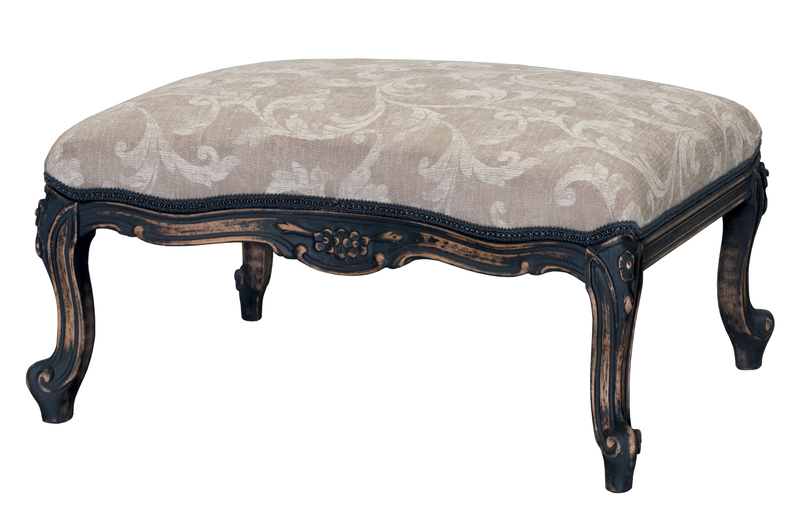
Some business waste is not simply general rubbish. It includes awkward items that take space, need two-person handling or require a more considered disposal route. That can include desks, sofas from staff areas, reception furniture, shelves, mattresses from accommodation use and similar bulky objects. We also handle selected appliance removal where the item is suitable for disposal within the service and not classed as hazardous. The purpose is to make the removal manageable without leaving you to deal with oversized or difficult pieces alone.
Where items are large or mixed, the most useful first step is to identify what is included and what needs to stay. For example, a workplace clearance may involve only surplus reception furniture, or it may include a wider set of redundant items from multiple rooms. Supported service pages such as furniture clearance and mattress and sofa disposal help show the type of work that can be arranged, while the actual collection remains based on the items you need taken away and their condition on the day.
Where suitable, we can also deal with appliances that are no longer required in a commercial setting, including refrigeration equipment and similar units, subject to the waste type and access. For customers who need a broader clear-out rather than a single item, it may be more efficient to combine this with other non-hazardous waste from the same premises. If you are ready to make progress, send a brief outline of the items and ask for a quotation based on the load you have.
Garage, storage and surplus item clearance for trade spaces
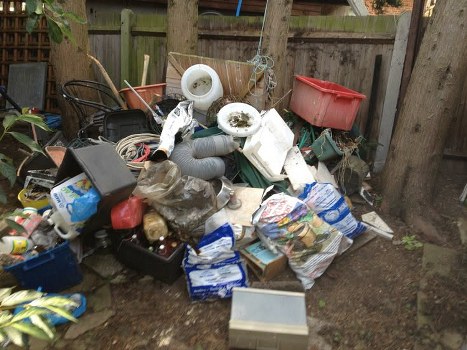
Trade premises, back rooms, storage cupboards and garages often become holding areas for items that are no longer in active use but still occupy valuable floor space. Our clearance work can cover old stock, broken equipment, dismantled fittings, archived paperwork that is not confidential, packaging and mixed stored waste. The job is not about emptying a premises indiscriminately; it is about taking the items that are no longer needed and making the remaining space easier to use.
When storage spaces are involved, it is helpful to think in terms of categories rather than individual objects alone. Grouping items into furniture, packaging, loose waste, obsolete products and any unusually heavy pieces makes the clearance easier to plan. Some customers use this kind of work alongside garage clearance or home clearance style collections when a mixed premises contains both business and storage overflow. The same careful approach applies: identify what is staying, what can be removed and whether there are any access limits.
In practice, the usefulness of a storage clearance often lies in how much easier the space becomes to navigate afterwards. Shelving can be accessed, stock can be moved more cleanly and the remaining items are less likely to be buried under surplus material. If you have a back room or storage area that has built up over time, a clear list of the contents is usually enough to start. The more precise the information, the easier it is to shape the work and avoid unnecessary delay.
H3-linked collections for premises that need structured waste handling
Some collections are straightforward; others benefit from a service plan that matches the shape of the site. That might include access to a building, a mix of item types or waste that is spread across more than one room. We handle business waste removal with the intention of keeping the work structured, so customers know what is being taken and how it is being grouped. In that sense, the service is as much about organisation as it is about transport.
Waste removal is the general service route when the load is mixed and does not fall neatly into one specialist category. It suits businesses that want a practical collection for non-hazardous waste without having to separate every item into a separate job. That can be especially useful for premises with changing stock, shared storage or multiple waste streams that need one coordinated clearance rather than several isolated visits.
Choosing the right service route
If the waste consists mainly of office furniture, the office clearance route is often the clearest fit. If it is a blend of surplus fixtures, packaging and general refuse, a broader waste collection may be more practical. The important thing is not to overcomplicate the request. A short description of the space, the item types and any timing constraints is usually enough to decide which service is best suited. Keep the request focused on the load itself, and the quotation can follow from that.
About Feltham
Feltham is a town in the London Borough of Hounslow, west of central London, with a history shaped by its position on routes between the capital and the west. It developed from a rural settlement into a more built-up suburban centre over time, and today it combines residential streets, retail activity and transport connections. The railway has long been important to the area, with Feltham station linking the town to wider commuter and travel patterns across west London and beyond. Nearby Heathrow Airport also forms part of the wider setting, giving the district a distinct relationship with transport, logistics and movement. The town centre includes a mix of shops and everyday services, while surrounding streets contain housing from different periods, reflecting the area’s gradual growth. Open spaces such as Bedfont Lakes Country Park provide a contrasting natural setting with lakes, paths and wildlife habitats, and Hounslow Heath, although broader than Feltham alone, is one of the most recognisable historic green landscapes in the locality. The area’s identity is therefore a mixture of suburban development, transport links, older landscape traces and practical day-to-day urban life.
Household-style clearances adapted for business premises
Commercial sites are not always neat or uniform. Many include staff rooms, upper floors, mixed-use storage or buildings that have evolved over time, so the waste can look more like a house clearance than a single-purpose office job. In those cases, the service needs to remain flexible while still being firmly focused on business premises. Items may include unwanted tables, occasional seating, cupboards, loose rubbish and domestic-style furnishings used within the workplace.
That is why related pages such as house clearance and flat clearance can be useful references when a business has premises with multiple rooms or old contents that have built up gradually. They show the sort of mixed-item removal that can also apply in non-domestic settings, especially where rooms are no longer being used as intended. Where the items are mainly domestic in style rather than office-specific, the choice of service should follow the contents, not the label on the building.
When a premises contains both business and living-style items, it helps to separate categories before the collection day. That may include furniture, kitchenware, paperwork, clothing, obsolete stock or items from a staff area. A single, organised request is easier to assess than a vague description, and it avoids confusion about what should remain on site. The more clearly the work is defined, the better the service can be matched to the actual contents.
Safety, access and responsible handling

Waste removal for commercial premises should be carried out with sensible attention to access, lifting and the type of material being handled. Narrow corridors, upper floors, shared entrances and limited parking can all affect how a clearance is arranged. The aim is to reduce avoidable disruption, keep the site orderly and make sure the work is carried out in a way that suits the conditions on the day rather than forcing the premises to fit a rigid pattern.
Where items are difficult to move, it may be useful to note whether they can be dismantled, whether they are boxed or loose and whether any routes are particularly tight. For certain types of waste, especially where there are uncertain contents or items that may need special treatment, it is better to ask before adding them to the collection. The related pages for insurance and safety and health and safety policy give further context to the way the service is approached, while still leaving the actual scope of the job to the quotation stage.
Responsible handling also matters after the items leave the premises. Where materials can be directed towards recycling streams or kept separate from general waste, that helps support a more considered clearance. If you are preparing a workplace, a stockroom or a mixed-use space for a new phase, the right arrangement starts with a clear description of the items, followed by a quotation that reflects what is actually there. Ask for a quotation today when you are ready to move on.
Pricing, quotations and planning the collection
Quotations for business waste removal depend on the nature of the items, how much needs to go, where they are located and whether the job involves awkward access or mixed waste types. A concise description is usually enough to begin, but more detail leads to a better match between the work and the arrangement offered. That is why it helps to mention the main item groups, the level of access and whether the collection is for one room, several rooms or an entire premises.
The relevant page for pricing and quotes can be used when you want to understand the practical information that shapes the estimate. It is not about fixed prices or promises; instead, it reflects the way different loads and access conditions affect the work. If you already know the items are grouped and ready, that is useful. If not, a simple overview of what is on site is still enough to begin the conversation and avoid unnecessary back-and-forth.
Contact us when you would like to go ahead with a quotation. You can also use book online if you prefer to make the request through the website. Either way, the simplest approach is to describe the waste, note any access issues and let the service be matched to the work that actually needs doing.